
How NDIS Community Participation Builds Social Skills and Independence
Social skills influence nearly every aspect of daily life. Whether it is talking with people, sticking to a schedule or being at ease in public areas, being confident when interacting with others is very important if one wants to be self, sufficient.
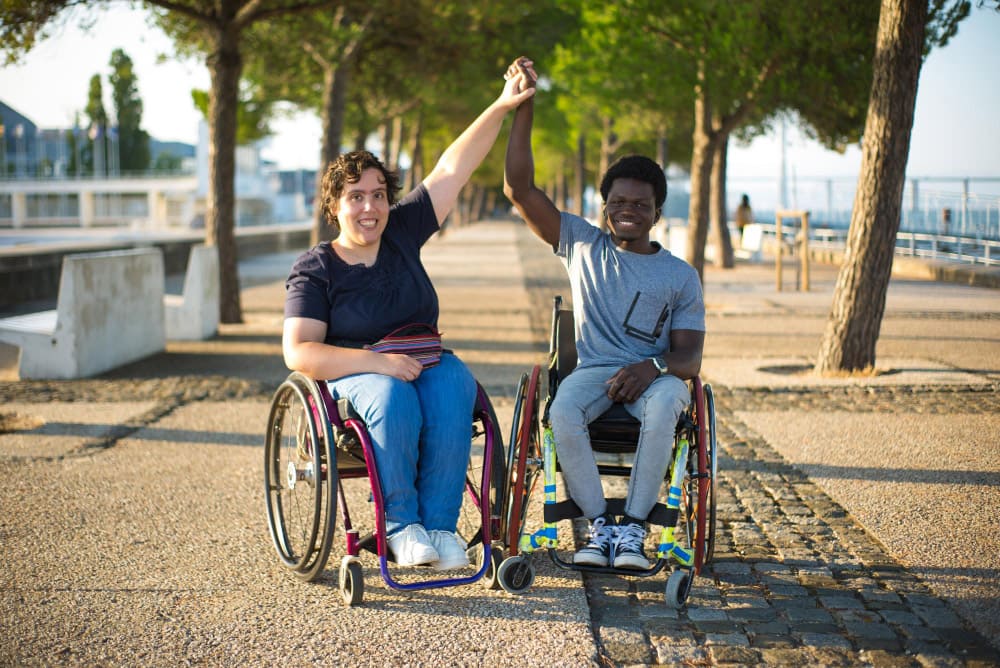
For a lot of participants, NDIS social skills support does not mean “learning how to talk”, it is more about getting enough confidence to interact with the world. When participants take part in the community in an organised way, they can develop communication skills, get used to the way things are done, and gain the confidence to lead everyday life situations more independently.
What Is NDIS Social Skills Support?
NDIS social skills support is aimed at assisting participants to be at ease and confident when they are in social and community settings. It aims at supporting everyday communication and interaction rather than formal training or classroom, style learning.
This type of support can help participants with:
- Communicating needs and preferences
- Feeling comfortable in public settings
- Managing behaviour in social situations
- Building confidence outside the home
- Engaging with others more naturally
These outcomes are realized through carefully planned NDIS Innovative Community Participation supports that are aligned with each participants goals.

Why Social Skills Are Essential for Independence
It is widely understood that social skills strongly influence a degree of independency a person can feel in his/her life. A person who is able to express him/herself clearly, read the setting, and interact with others with assurance will see daily activities as simpler and less stressful.
Ones self, confidence in social situations largely accounts for his/her self, perception as a capable and independent individual. If you are lacking social skills, normal interactions with people may be so stressful that you may even start avoiding the situations that you would otherwise be willing to face alone.
Strong social skills help participants to:
- Shop independently
- Attend appointments
- Use public transport
- Ask for help when needed
- Engage with others confidently
- Feel more at ease in the community
Without strong social skills, everyday interactions can become stressful, which may lead people to avoid situations they would otherwise like to manage independently. With the right support and regular practice, social confidence can grow over time, making it easier to follow routines, interact with others, and feel more at ease in the community.
What Community Participation Looks Like in Real Life
NDIS social skills support is practical and grounded in real situations. Support is provided in everyday environments where participants can practise skills naturally.
This may include:
- Practising communication in shops or cafés
- Learning how to use public transport safely
- Building daily routines outside the home
- Visiting community spaces with support
- Developing confidence through repetition
This type of development is a key part of broader NDIS services designed to improve everyday independence.
How Counselling and Community Participation Work Together
The development of social skills is most effective when a person is given emotional support and at the same time has an opportunity to apply his/her skills in the real world. Counselling can give the participants a better understanding of their feelings, help them to control anxiety and build self, confidence, while at the same time being involved in the community gives them a chance to practice their skills.
Lots of participants use these methods together with NDIS counselling to both build their emotional confidence and develop their practical social skills.
This combination of the two is a good way to help people make progress that lasts rather than just a short, term change.
How Janalli Supports Social Skill Development Through NDIS
At Janalli Services, the developmental of social skills is done in a real and person, centred manner. The support is given at a pace comfortable to the person, respectful, and geared toward tangible results rather than pressure.
Being a registered NDIS provider, Janalli offers practical assistance that enables participants to use skills in real, life situations. Through regularity, motivation, and steady backing, assurance is gradually established.
How to Access NDIS Social Skills Support
Getting started with NDIS social skills support is straightforward with the right guidance.
- Review your NDIS goals
- Check Capacity Building supports in your plan
- Speak with your support coordinator
- Contact Janalli to discuss suitable supports
You can review what your plan may include on the official NDIS funding information page.
FAQs – NDIS Social Skills Support
Is social skills training funded by the NDIS?
Yes. It may be funded under Capacity Building supports, depending on your plan goals.
Can this support be delivered in the community?
Yes. Social skills support is commonly delivered in real-world community settings.
Is this suitable for adults?
Yes. NDIS social skills support is suitable for participants of all ages.
Do I need a referral to start?
No referral is required. You can contact Janalli directly.
Looking for NDIS social skills support?
Speak with our team or get in touch to discuss your NDIS goals and the right support pathway.
- Call us today on 0403-258-258
- Email us at: info@janalliservices.com.au
Follow Janalli Services – Registered NDIS Provider in Logan and proud CPCA Member on Facebook and Instagram for updates, community stories, and helpful tips.

